Choosing the Best Skylights for Better Ventilation
The Aesthetic Appeal of Rooflights: Enhancing Your Home's Interior and Exterior Design
Rooflights act as a transformative element in home design, offering both practical and visual benefits. They deliver ample natural light, which elevates the ambiance of interior spaces and enhances the exterior appearance. Multiple styles of rooflights suit different architectural preferences, creating opportunities for unique design statements. As homeowners seek to connect more with their surroundings, the impact of rooflights becomes increasingly significant. What distinct advantages do they offer that extend beyond mere aesthetics?
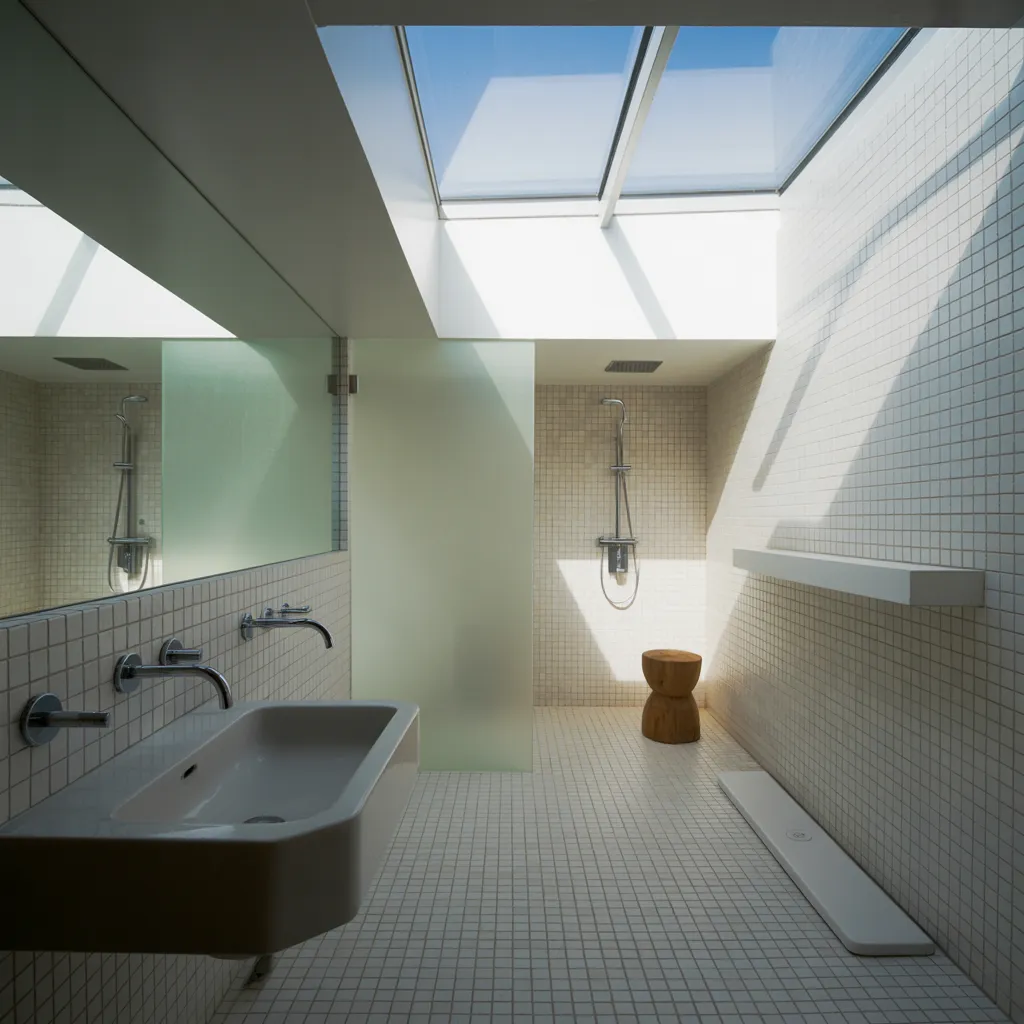
The Benefits of Natural Light in Your Home
While several homeowners might overlook the effect of natural light, it holds an essential role in elevating the overall atmosphere of a living space. Natural light not only brightens a room but also creates a sense of spaciousness and warmth, making spaces seem bigger and more inviting. The presence of sunlight can tremendously influence disposition and health, promoting feelings of happiness and positivity.
Moreover, natural illumination aids in energy efficiency by reducing the need for artificial lighting during daytime hours, leading to lower electricity costs. It also accentuates the beauty of interior design elements, emphasizing colors and textures in a way that artificial light can't reproduce. Furthermore, exposure to natural light promotes circadian rhythms, which can improve sleep quality. Consequently, incorporating natural light into home design is a simple yet effective way to enhance both the aesthetic appeal and functionality of living spaces.

Various Styles of Rooflights to Complement Your Aesthetic
Various rooflight styles can maximize natural light, with each one offering distinctive aesthetic enhancements to a home. For modern designs, flat rooflights are a popular option, delivering a contemporary profile that suits minimalist architecture while enabling plenty of light. Lantern rooflights, in contrast, provide a traditional appeal, commonly featured in period homes, enhancing their character with ornate detailing. For those seeking a dramatic effect, pyramid rooflights create a striking visual impact, attracting attention upward and lighting areas below. Domed rooflights, typically featuring rounded shapes, provide a gentler overall aesthetic, allowing them to complement both modern and timeless styles. Ultimately, skylights with operable features not only enhance aesthetics but also improve ventilation, addressing practical requirements without sacrificing style. Each option allows homeowners to tailor their spaces, ensuring that the chosen rooflight seamlessly integrates with both the interior and exterior design of the home.
Enhancing Indoor Spaces By Installing Rooflights
Rooflights serve a vital function in elevating indoor spaces by flooding them with natural light, which can boost mood and productivity. Additionally, their aesthetic integration into home design can enhance the overall visual appeal, creating a seamless connection between the interior and exterior. Furthermore, strategically placed rooflights can contribute to energy efficiency by minimizing reliance on artificial lighting.
Natural Lighting Advantages
Light plays an essential role in shaping the ambiance and functionality of indoor spaces, and the incorporation of rooflights greatly enhances this effect. By permitting natural light to brighten interior areas, rooflights produce a more luminous, more appealing atmosphere. This influx of sunlight can decrease the necessity for artificial lighting during the day, bringing about energy savings and a decreased environmental impact. Moreover, natural light has been proven to elevate mood and productivity, promoting a sense of well-being among occupants. Rooflights also contribute to building a seamless connection between the indoors and outdoors, enriching the overall living experience. Ultimately, the strategic placement of rooflights can revolutionize a home, making it feel roomier and energetic while harnessing the benefits of natural light.
Aesthetic Design Implementation
Refined design frequently copyrights on the thoughtful integration of architectural elements, and rooflights serve as a captivating component in contemporary home aesthetics. By enabling natural light to flow in from above, rooflights create a seamless connection between indoor and outdoor spaces, enriching the overall ambiance. Their versatility empowers them to complement multiple styles, from minimalist to rustic, adding both purpose and elegance. Strategically placed rooflights can enhance architectural details, illuminate artwork, or create focal points within a room. Additionally, their different shapes and sizes offer creative opportunities for homeowners and designers alike, permitting personalized expression. Ultimately, rooflights transform common interiors by infusing them with warmth and energy, advancing the interior design to new heights.
Impact on Energy Efficiency
When evaluating energy efficiency in home design, rooflights fulfill a vital purpose by optimizing natural illumination while lowering reliance on artificial lighting. By harnessing sunlight, they notably diminish energy consumption, producing lower utility bills and a reduced carbon footprint. Rooflights also improve indoor air quality by encouraging ventilation, which can further enhance energy efficiency through the natural regulation of temperature. Additionally, properly located rooflights can decrease the need for heating in winter and cooling in summer, establishing a more comfortable living environment year-round. Their ability to diffuse light evenly throughout a space eliminates dark corners, enhancing overall ambiance without the need for additional lighting sources. Therefore, incorporating rooflights is a strategic choice for energy-conscious homeowners.
Building a Effortless Union With the Nature
Integrating rooflights into residential design allows for a natural blend between indoor spaces and the natural environment. By strategically installing rooflights, homeowners can invite natural light and panoramic views of the outdoors, creating an inviting atmosphere that fosters a connection with nature. These architectural features not only brighten interiors but also improve the perception of space, making rooms feel bigger and more open.
Through rooflights, the interaction between light and shadow can dramatically alter a home's mood, echoing the transitions of weather and seasons. Furthermore, pairing greenery, including potted plants or interior gardens, with rooflights can strengthen this bond, as living elements work in harmony with sunlight. Finally, rooflights act as a conduit linking the coziness of interior spaces with the splendor of nature, prompting occupants to cherish their surroundings while reaping the advantages of daylight.
Rooflights as a Striking Design Element
Rooflights do more than strengthen the connection between indoor spaces and nature but also work as striking design features within a home. Their presence can transform ordinary ceilings into exceptional visual features, adding depth and character to rooms. By implementing diverse styles, sizes, and shapes, rooflights can suit various architectural components, from traditional to contemporary designs.
Furthermore, they can form focal points, pulling the eye upward and promoting an appreciation of space. Designers commonly use rooflights to highlight distinct areas, such as a dining room or a cozy reading nook, enriching the overall aesthetic flow of the home. The interplay of light and shadow through these openings also brings to the dynamic atmosphere within interiors, transforming with the time of day. Eventually, rooflights not only improve a home's design but also elevate its visual storytelling, making them an essential consideration for any aesthetic enhancement project.
Energy Efficiency and Sustainability Benefits
While frequently disregarded in discussions about home design, the energy efficiency and sustainability benefits of rooflights play a crucial role in modern architecture. Rooflights allow natural light to permeate living spaces, greatly reducing the requirement for artificial lighting during daylight hours. This not only cuts energy consumption but also aids in reducing electricity bills, contributing to a more sustainable household.
In addition, by facilitating natural ventilation, rooflights can enhance indoor air quality and reduce reliance on heating and cooling systems. This integration of natural elements into home design can result in a lower carbon footprint, aligning with contemporary environmental goals.
Moreover, many contemporary rooflights are crafted from energy-efficient materials that assist in controlling temperature, further learn here supporting energy savings. In sum, rooflights function as both aesthetic enhancements and practical solutions for energy efficiency, making them a useful addition to sustainable home design.
Practical Factors for Setting Up Rooflights
When planning the installation of rooflights, multiple practical factors should be evaluated to guarantee a successful outcome. Reviewing the structural integrity of the roof is critical, as is determining the most suitable placement for maximum light and energy efficiency. These considerations play an important role in enhancing both the functionality and aesthetics of the space.
Structural Integrity Assessment
Examining the structural integrity of a home is essential before installing rooflights, as this guarantees the safety and stability of the overall design. A detailed assessment should involve examining the existing roof structure, including rafters and support beams, to verify they can bear the additional weight and stress introduced by rooflights. Engaging a qualified structural engineer can provide important insights into any necessary reinforcements or modifications. Furthermore, the roofing materials and overall condition must be evaluated to prevent potential leaks or structural failures. Homeowners should also consider local building codes and regulations to maintain compliance. This proactive approach not only enhances safety but also promotes the long-term durability of the rooflight installation.
Ideal Placement Guidelines
To secure the best results in rooflight installation, careful evaluation of their placement is vital. The orientation and location of rooflights substantially influence both natural light entry and overall aesthetics. In the best scenario, they should be installed in areas that maximize light exposure, such as south-facing roofs, while avoiding obstructions from trees or neighboring structures. In addition, aligning rooflights with existing architectural features can boost the visual appeal of the space. It is also important to consider the size and shape of the rooflight, as larger openings may require additional structural support. Additionally, ensuring that rooflights are positioned to complement the interior layout will create a harmonious flow between spaces, enhancing the overall design and comfort of the home.
Energy Efficiency Factors
Though the visual benefits of rooflights are significant, their energy efficiency is a key factor that needs careful consideration during installation. Picking high-performance glazing can substantially reduce heat loss in winter and reduce heat gain in summer, leading to lower energy bills. Proper insulation around the rooflight is vital to avoid air leaks, which can compromise the home's thermal performance. Moreover, incorporating mechanized shading systems can even more increase energy efficiency by regulating sunlight exposure throughout the day. Situating rooflights carefully to improve natural light can decrease reliance on artificial lighting, leading to overall energy savings. In the end, considered integration of energy-efficient features confirms that rooflights not only improve a space but also support a sustainable living environment.
FAQ
In What Way Do Rooflights Effect a Property's Resale Value?
Roof windows can considerably boost a house's resale value. They increase natural lighting, produce a sense of spaciousness, and improve overall aesthetic appeal, making properties more enticing to potential buyers in competitive real estate markets.
Are Rooflights Fitted in Existing Homes?
Installing rooflights in existing homes is certainly possible. Professional assessment is essential to assess structural compatibility and guarantee proper installation, helping homeowners to enhance natural light without compromising the integrity of their property.
What Ongoing Maintenance Do Rooflights Need?
Rooflights require regular cleaning to eliminate dirt and debris, routine inspections for damage or leaks, and maintenance of seals and frames. Maintaining proper drainage and tackling any issues without delay can increase their lifespan and functionality.
Are There Particular Building Codes for Rooflight Installations?
Indeed, certain building regulations for rooflight installations are in place, differing by location. These regulations typically cover structural integrity, safety, energy efficiency, and aesthetics, ensuring that installations adhere to local codes and do not adversely impact neighboring properties.
How Do Rooflights Alter Indoor Temperature in the Summer Season?
Rooflights can significantly raise indoor temperatures during summer by permitting direct sunlight to enter the area. Without proper shading or ventilation, this can lead to discomfort and higher cooling costs for homeowners desiring respite from the heat.